Buy expire.eu ?
We are moving the project
expire.eu .
Are you interested in purchasing the domain
expire.eu ?
domain@kv-gmbh.de · 0541-91531010
Buy expire.eu ?
Why is the acetone molecule a dipole molecule?
The acetone molecule is a dipole molecule because it has a region of partial positive charge and a region of partial negative charge. This is due to the difference in electronegativity between the carbon and oxygen atoms in the molecule. The oxygen atom is more electronegative than the carbon atom, causing it to attract the shared electrons more strongly and acquire a partial negative charge, while the carbon atom becomes partially positive. This unequal distribution of charge creates a dipole moment in the acetone molecule, making it a dipole molecule. **
Is octane a dipole molecule or a nonpolar molecule?
Octane is a nonpolar molecule. This is because it consists of only carbon and hydrogen atoms, which have similar electronegativities and therefore do not create a significant difference in charge distribution within the molecule. As a result, there is no separation of positive and negative charges, making it nonpolar. **


Similar search terms for Molecule
Top-Angebote
Products related to Molecule:
-
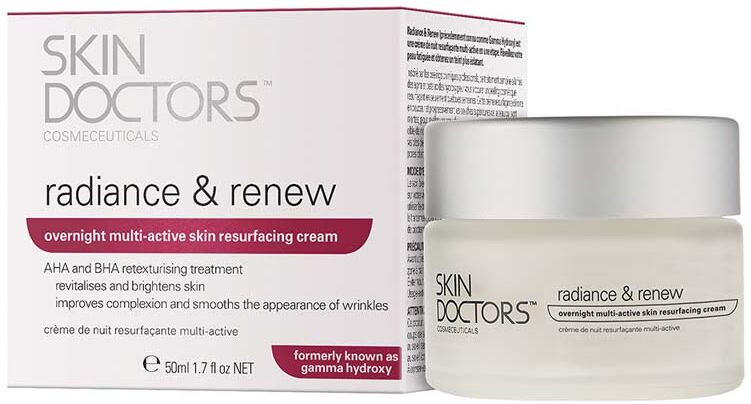
Skin Doctors & Renew 50mlSkin Doctors Radiance & Renew 50ml is an innovative cosmetic product that effectively resurfaces the skin which has been prone to wrinkles, premature ageing, sun damage, acne and mild scarring. Formulated with Glycolic Acid (Fruit Acids), Lactic Acid (Sour Milk and Grain) and Salicylic Acid to break down the outer thick layer of skin and gently exfoliate to smooth away any visible signs of ageing, pigmentation and scars. The products supports skin cells renewal and stimulates collagen to plump and refresh your complexion. Ingredients Aqua (Water), Ethylhexyl Methoxycinnamate, Glycolic Acid, Benzophenone-3, Propylene Glycol, Cyclopentasiloxane, Cetyl Alcohol, Stearyl Alcohol, Cyclohexasiloxane, Butyl Methoxydibenzoylmethane, Glycerin, Lactic Acid, Glyceryl Stearate, PEG-100 Stearate, Ceteareth-20, Phenyl Trimethicone, Salicylic Acid, Phenoxyethanol, Sodium Hydroxide, Arctostaphylos Uva Ursi Leaf Extract, Magnesium Ascorbyl Phosphate, Xanthan Gum, Sodium Hyaluronate, Parfum (Fragrance), Disodium EDTA, Sodium Metabisulfite, Sodium Benzoate, Methylparaben, Propylparaben, Ethylparaben, BHT, Hexyl Cinnamal, Citronellol, Linalool.32,99 £*Shipping: 0,00 £Secure redirect to the provider
-
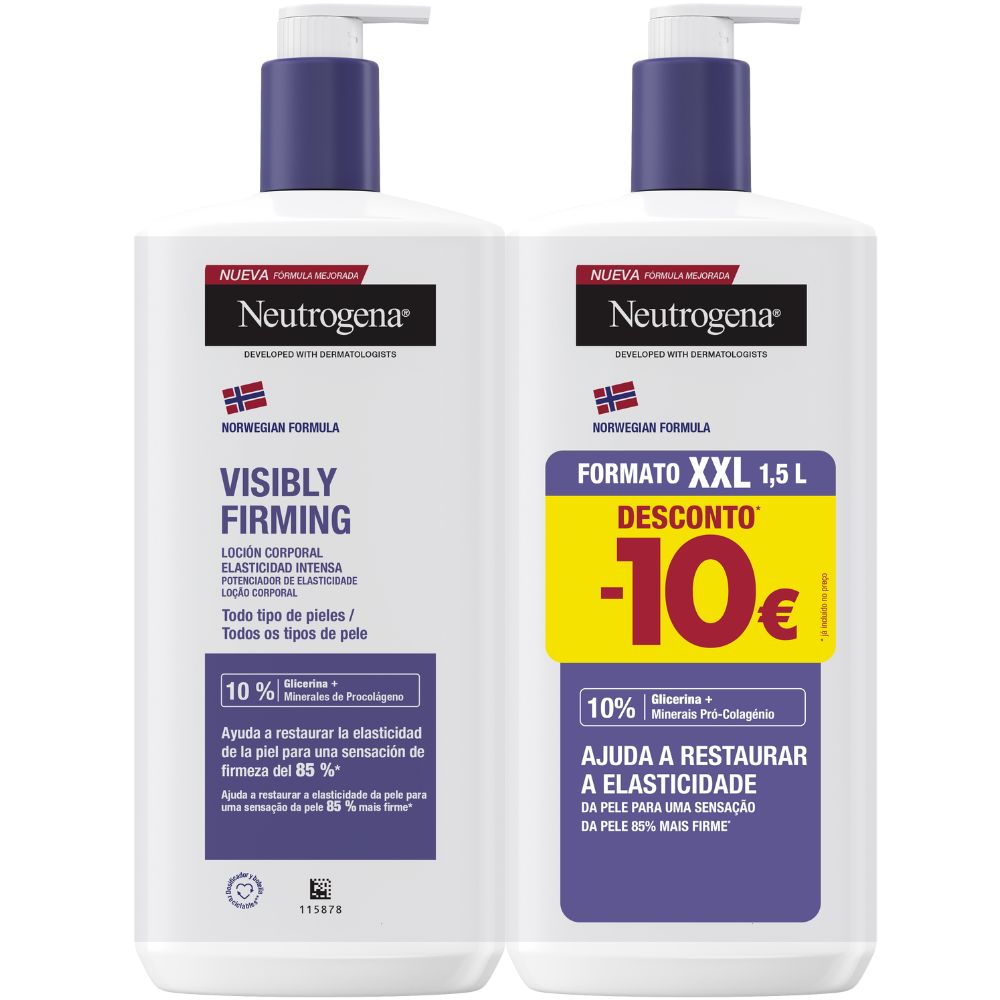
Neutrogena Visibly Renew Body LotionA body lotion for dry or dehydrated skin. Provides a daily moisturizing. Day after day, skin is visibly smoother, flexible and elastic. For best results, apply daily throughout the body in the morning and in the evening, twice a day.24,77 £*Shipping: 15,47 £Secure redirect to the provider
-
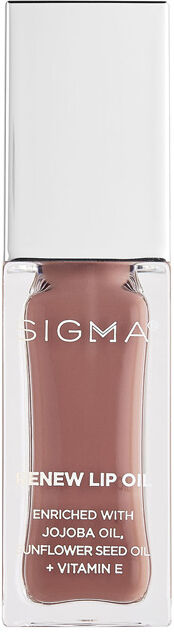
Sigma Renew Lip Oil-HushSigma Renew Lip Oils give your lips nourishment of a lip balm and the shine of a lip gloss in one perfect product These smooth, non-sticky lip oils add a protective layer of luxurious high-shine color, and hydration to your lips to help them look soft, supple, and juicy! Available Colours: Renew Lip Oil - Tint Renew Lip Oil - Tranquil Renew Lip Oil - All Heart Renew Lip Oil - Hush Ingredients: Tranquil: Polyglyceryl-2 Isostearate/Dimer Dilinoleate Copolymer, Dimer Dilinoleyl Dimer Dilinoleate, Diisostearyl Malate, Simmondsia Chinensis (Jojoba) Seed Oil, Caprylic/Capric Triglyceride, Disteardimonium Hectorite, Caprylyl Glycol, Helianthus Annuus (Sunflower) Seed Oil, Hydroxyacetophenone, Tocopherol, Tocopheryl Acetate, [May Contain / Peut contenir / Può contenere / (+/-): Titanium Dioxide (CI 77891), Iron Oxides (CI 77491), Iron Oxides (CI 77492), Red 7 Lake (CI 15850), Red 6 (CI 15850), Blue 1 Lake (CI 42090), Red 28 Lake (CI 45410), Yellow 5 Lake (CI 19140), Yellow 6 Lake (CI 15985)]. Hush: Polyglyceryl-2 Isostearate/Dimer Dilinoleate Copolymer, Dimer Dilinoleyl Dimer Dilinoleate, Diisostearyl Malate, Simmondsia Chinensis (Jojoba) Seed Oil, Caprylic/Capric Triglyceride, Disteardimonium Hectorite, Caprylyl Glycol, Citric Acid, Helianthus Annuus (Sunflower) Seed Oil, Hydroxyacetophenone, Tocopherol, Tocopheryl Acetate, [May Contain / Peut contenir / Può contenere / (+/-): Red 27 Lake (CI 45410), Iron Oxides (CI 77491), Blue 1 Lake (CI 42090), Red 28 Lake (CI 45410), Red 6 (CI 15850), Red 7 Lake (15850), Yellow 5 Lake (CI 19140), Yellow 6 Lake (CI 15985)]. All heart: Polyglyceryl-2 Isostearate/Dimer Dilinoleate Copolymer, Dimer Dilinoleyl Dimer Dilinoleate, Diisostearyl Malate, Simmondsia Chinensis (Jojoba) Seed Oil, Caprylic/Capric Triglyceride, Disteardimonium Hectorite, Caprylyl Glycol, Helianthus Annuus (Sunflower) Seed Oil, Hydroxyacetophenone, Tocopherol, Tocopheryl Acetate, [May Contain / Peut contenir / Può contenere / (+/-): Titanium Dioxide (CI 77891), Iron Oxides (CI 77491), Iron Oxides (CI 77492), Red 7 Lake (CI 15850), Red 6 (CI 15850), Blue 1 Lake (CI 42090), Red 28 Lake (CI 45410), Yellow 5 Lake (CI 19140), Yellow 6 Lake (CI 15985)]. Tint: Polyglyceryl-2 Isostearate/Dimer Dilinoleate Copolymer, Dimer Dilinoleyl Dimer Dilinoleate, Diisostearyl Malate, Simmondsia Chinensis (Jojoba) Seed Oil, Caprylic/Capric Triglyceride, Disteardimonium Hectorite, Caprylyl Glycol, Helianthus Annuus (Sunflower) Seed Oil, Hydroxyacetophenone, Tocopherol, Tocopheryl Acetate, [May Contain / Peut contenir / Può contenere / (+/-): Titanium Dioxide (CI 77891), Iron Oxides (CI 77491), Iron Oxides (CI 77492), Red 7 Lake (CI 15850), Red 6 (CI 15850), Blue 1 Lake (CI 42090), Red 28 Lake (CI 45410), Yellow 5 Lake (CI 19140), Yellow 6 Lake (CI 15985)].23,00 £*Shipping: 2,95 £Secure redirect to the provider
-
Renew White Textured Shell Decorative VaseThe Renew White Textured Shell Decorative Vase is a stunning coastal-inspired piece. With its unique shell design and textured white finish, it adds an airy, modern elegance to any room. Perfect for displaying dried flowers or as a standalone accent, this vase complements a variety of interior styles. Whether placed on a shelf, mantel, or table, it brings a touch of the seaside into your home, enhancing your décor with natural charm. Dimensions: 20.5 x 11 x 19.5cm24,00 £*Shipping: 4,99 £Secure redirect to the provider

-
How does a hydrocarbon molecule react with an oxygen molecule?
When a hydrocarbon molecule reacts with an oxygen molecule, it undergoes a process called combustion. During combustion, the hydrocarbon molecule combines with the oxygen molecule to produce carbon dioxide and water, releasing energy in the form of heat and light. This reaction is exothermic, meaning it releases more energy than it consumes, making it a key process in many natural and industrial processes, such as burning fossil fuels for energy production. **
-
What is a molecule?
A molecule is a group of atoms bonded together, representing the smallest fundamental unit of a chemical compound that can take part in a chemical reaction. These atoms can be of the same element or different elements, and they are held together by chemical bonds. Molecules can vary in size and complexity, from simple diatomic molecules like oxygen (O2) to large and complex molecules like DNA. **
-
Ionic bond or molecule?
An ionic bond is formed when one atom transfers electrons to another atom, resulting in the formation of positively and negatively charged ions that are held together by electrostatic forces. On the other hand, a molecule is formed when two or more atoms share electrons to achieve a stable electron configuration. Therefore, the main difference between an ionic bond and a molecule is the way in which atoms are held together - through transfer of electrons in an ionic bond, and through sharing of electrons in a molecule. **
-
How can one recognize if a molecule is a dipole-dipole molecule?
One can recognize if a molecule is a dipole-dipole molecule by examining the electronegativity difference between the atoms in the molecule. If there is a significant difference in electronegativity between the atoms, causing an uneven distribution of electron density, the molecule is likely a dipole. Additionally, if the molecule has a symmetrical shape that cancels out the dipole moments of individual bonds, it is less likely to be a dipole-dipole molecule. Experimentally, dipole-dipole interactions can be identified through techniques such as infrared spectroscopy or measuring the molecule's dipole moment. **


How can one determine if a molecule is a dipole-dipole molecule?
A molecule is considered a dipole-dipole molecule if it has a significant difference in electronegativity between the atoms involved in the covalent bond. This results in an uneven distribution of electron density, creating a partial positive and partial negative charge on different ends of the molecule. Additionally, the molecule must have a symmetrical shape that does not cancel out the overall dipole moment. One can determine if a molecule is a dipole-dipole molecule by looking at its molecular structure and identifying the presence of polar covalent bonds and the overall molecular geometry. **
What is the molecule N3?
The molecule N3 is known as trinitrogen. It is a linear molecule composed of three nitrogen atoms bonded together. Trinitrogen is a reactive species and is not commonly found in nature. It is primarily studied in the laboratory for its unique chemical properties and potential applications in areas such as materials science and explosives. **
Top-Angebote
Products related to Molecule:
-
Skin Doctors & Renew 50mlSkin Doctors Radiance & Renew 50ml is an innovative cosmetic product that effectively resurfaces the skin which has been prone to wrinkles, premature ageing, sun damage, acne and mild scarring. Formulated with Glycolic Acid (Fruit Acids), Lactic Acid (Sour Milk and Grain) and Salicylic Acid to break down the outer thick layer of skin and gently exfoliate to smooth away any visible signs of ageing, pigmentation and scars. The products supports skin cells renewal and stimulates collagen to plump and refresh your complexion. Ingredients Aqua (Water), Ethylhexyl Methoxycinnamate, Glycolic Acid, Benzophenone-3, Propylene Glycol, Cyclopentasiloxane, Cetyl Alcohol, Stearyl Alcohol, Cyclohexasiloxane, Butyl Methoxydibenzoylmethane, Glycerin, Lactic Acid, Glyceryl Stearate, PEG-100 Stearate, Ceteareth-20, Phenyl Trimethicone, Salicylic Acid, Phenoxyethanol, Sodium Hydroxide, Arctostaphylos Uva Ursi Leaf Extract, Magnesium Ascorbyl Phosphate, Xanthan Gum, Sodium Hyaluronate, Parfum (Fragrance), Disodium EDTA, Sodium Metabisulfite, Sodium Benzoate, Methylparaben, Propylparaben, Ethylparaben, BHT, Hexyl Cinnamal, Citronellol, Linalool.32,99 £*Shipping: 0,00 £Secure redirect to the provider
-
Neutrogena Visibly Renew Body LotionA body lotion for dry or dehydrated skin. Provides a daily moisturizing. Day after day, skin is visibly smoother, flexible and elastic. For best results, apply daily throughout the body in the morning and in the evening, twice a day.24,77 £*Shipping: 15,47 £Secure redirect to the provider
-
Why is the acetone molecule a dipole molecule?
The acetone molecule is a dipole molecule because it has a region of partial positive charge and a region of partial negative charge. This is due to the difference in electronegativity between the carbon and oxygen atoms in the molecule. The oxygen atom is more electronegative than the carbon atom, causing it to attract the shared electrons more strongly and acquire a partial negative charge, while the carbon atom becomes partially positive. This unequal distribution of charge creates a dipole moment in the acetone molecule, making it a dipole molecule. **
-
Is octane a dipole molecule or a nonpolar molecule?
Octane is a nonpolar molecule. This is because it consists of only carbon and hydrogen atoms, which have similar electronegativities and therefore do not create a significant difference in charge distribution within the molecule. As a result, there is no separation of positive and negative charges, making it nonpolar. **
-
How does a hydrocarbon molecule react with an oxygen molecule?
When a hydrocarbon molecule reacts with an oxygen molecule, it undergoes a process called combustion. During combustion, the hydrocarbon molecule combines with the oxygen molecule to produce carbon dioxide and water, releasing energy in the form of heat and light. This reaction is exothermic, meaning it releases more energy than it consumes, making it a key process in many natural and industrial processes, such as burning fossil fuels for energy production. **
-
What is a molecule?
A molecule is a group of atoms bonded together, representing the smallest fundamental unit of a chemical compound that can take part in a chemical reaction. These atoms can be of the same element or different elements, and they are held together by chemical bonds. Molecules can vary in size and complexity, from simple diatomic molecules like oxygen (O2) to large and complex molecules like DNA. **
Similar search terms for Molecule
-
Sigma Renew Lip Oil-HushSigma Renew Lip Oils give your lips nourishment of a lip balm and the shine of a lip gloss in one perfect product These smooth, non-sticky lip oils add a protective layer of luxurious high-shine color, and hydration to your lips to help them look soft, supple, and juicy! Available Colours: Renew Lip Oil - Tint Renew Lip Oil - Tranquil Renew Lip Oil - All Heart Renew Lip Oil - Hush Ingredients: Tranquil: Polyglyceryl-2 Isostearate/Dimer Dilinoleate Copolymer, Dimer Dilinoleyl Dimer Dilinoleate, Diisostearyl Malate, Simmondsia Chinensis (Jojoba) Seed Oil, Caprylic/Capric Triglyceride, Disteardimonium Hectorite, Caprylyl Glycol, Helianthus Annuus (Sunflower) Seed Oil, Hydroxyacetophenone, Tocopherol, Tocopheryl Acetate, [May Contain / Peut contenir / Può contenere / (+/-): Titanium Dioxide (CI 77891), Iron Oxides (CI 77491), Iron Oxides (CI 77492), Red 7 Lake (CI 15850), Red 6 (CI 15850), Blue 1 Lake (CI 42090), Red 28 Lake (CI 45410), Yellow 5 Lake (CI 19140), Yellow 6 Lake (CI 15985)]. Hush: Polyglyceryl-2 Isostearate/Dimer Dilinoleate Copolymer, Dimer Dilinoleyl Dimer Dilinoleate, Diisostearyl Malate, Simmondsia Chinensis (Jojoba) Seed Oil, Caprylic/Capric Triglyceride, Disteardimonium Hectorite, Caprylyl Glycol, Citric Acid, Helianthus Annuus (Sunflower) Seed Oil, Hydroxyacetophenone, Tocopherol, Tocopheryl Acetate, [May Contain / Peut contenir / Può contenere / (+/-): Red 27 Lake (CI 45410), Iron Oxides (CI 77491), Blue 1 Lake (CI 42090), Red 28 Lake (CI 45410), Red 6 (CI 15850), Red 7 Lake (15850), Yellow 5 Lake (CI 19140), Yellow 6 Lake (CI 15985)]. All heart: Polyglyceryl-2 Isostearate/Dimer Dilinoleate Copolymer, Dimer Dilinoleyl Dimer Dilinoleate, Diisostearyl Malate, Simmondsia Chinensis (Jojoba) Seed Oil, Caprylic/Capric Triglyceride, Disteardimonium Hectorite, Caprylyl Glycol, Helianthus Annuus (Sunflower) Seed Oil, Hydroxyacetophenone, Tocopherol, Tocopheryl Acetate, [May Contain / Peut contenir / Può contenere / (+/-): Titanium Dioxide (CI 77891), Iron Oxides (CI 77491), Iron Oxides (CI 77492), Red 7 Lake (CI 15850), Red 6 (CI 15850), Blue 1 Lake (CI 42090), Red 28 Lake (CI 45410), Yellow 5 Lake (CI 19140), Yellow 6 Lake (CI 15985)]. Tint: Polyglyceryl-2 Isostearate/Dimer Dilinoleate Copolymer, Dimer Dilinoleyl Dimer Dilinoleate, Diisostearyl Malate, Simmondsia Chinensis (Jojoba) Seed Oil, Caprylic/Capric Triglyceride, Disteardimonium Hectorite, Caprylyl Glycol, Helianthus Annuus (Sunflower) Seed Oil, Hydroxyacetophenone, Tocopherol, Tocopheryl Acetate, [May Contain / Peut contenir / Può contenere / (+/-): Titanium Dioxide (CI 77891), Iron Oxides (CI 77491), Iron Oxides (CI 77492), Red 7 Lake (CI 15850), Red 6 (CI 15850), Blue 1 Lake (CI 42090), Red 28 Lake (CI 45410), Yellow 5 Lake (CI 19140), Yellow 6 Lake (CI 15985)].23,00 £*Shipping: 2,95 £Secure redirect to the provider
-
Renew White Textured Shell Decorative VaseThe Renew White Textured Shell Decorative Vase is a stunning coastal-inspired piece. With its unique shell design and textured white finish, it adds an airy, modern elegance to any room. Perfect for displaying dried flowers or as a standalone accent, this vase complements a variety of interior styles. Whether placed on a shelf, mantel, or table, it brings a touch of the seaside into your home, enhancing your décor with natural charm. Dimensions: 20.5 x 11 x 19.5cm24,00 £*Shipping: 4,99 £Secure redirect to the provider
-
fresh Renew & Repeat skin care setfresh Renew & Repeat, 1 pc, Skin Serums for Women, Everything for beautiful-looking skin in one package. The fresh Renew & Repeat beauty gift set contains not one but several products to help you create or enrich your daily beauty routine and make you or your loved ones happy to get it as a gift. The set contains: fresh Black Tea Renewal Serum rejuvenating and regenerating serum 30 ml fresh Black Tea Advanced Age Renewal Cream anti-ageing moisturiser 30 ml fresh Kombucha Facial Treatment Essence facial essence with antioxidant effect 150 ml Characteristics: restores skin firmness and leaves it tight regenerates and vitalises reduces wrinkles and prevents their formation is absorbed quickly nourishes deeply makes skin fresh and bright strengthens the skin barrier firms the facial contours amazing as a gift comprehensive care for everyday routine Ingredients: contains a minimum of 94% ingredients of natural origin114,00 £*Shipping: 3,99 £Secure redirect to the provider
-
Dr Grandel Beautygen Renew Essence 30mLA cleansing product for wrinkles and signs of ageing. This product improves skin firmness, redefines facial contours, improves complexion texture and strengthens skin barrier. The combination of snow algae extract with anti-age peptides, marine saccharide and wild rose oil act as a true source of youth and beauty.43,90 £*Shipping: 5,22 £Secure redirect to the provider
-
Ionic bond or molecule?
An ionic bond is formed when one atom transfers electrons to another atom, resulting in the formation of positively and negatively charged ions that are held together by electrostatic forces. On the other hand, a molecule is formed when two or more atoms share electrons to achieve a stable electron configuration. Therefore, the main difference between an ionic bond and a molecule is the way in which atoms are held together - through transfer of electrons in an ionic bond, and through sharing of electrons in a molecule. **
-
How can one recognize if a molecule is a dipole-dipole molecule?
One can recognize if a molecule is a dipole-dipole molecule by examining the electronegativity difference between the atoms in the molecule. If there is a significant difference in electronegativity between the atoms, causing an uneven distribution of electron density, the molecule is likely a dipole. Additionally, if the molecule has a symmetrical shape that cancels out the dipole moments of individual bonds, it is less likely to be a dipole-dipole molecule. Experimentally, dipole-dipole interactions can be identified through techniques such as infrared spectroscopy or measuring the molecule's dipole moment. **
-
How can one determine if a molecule is a dipole-dipole molecule?
A molecule is considered a dipole-dipole molecule if it has a significant difference in electronegativity between the atoms involved in the covalent bond. This results in an uneven distribution of electron density, creating a partial positive and partial negative charge on different ends of the molecule. Additionally, the molecule must have a symmetrical shape that does not cancel out the overall dipole moment. One can determine if a molecule is a dipole-dipole molecule by looking at its molecular structure and identifying the presence of polar covalent bonds and the overall molecular geometry. **
-
What is the molecule N3?
The molecule N3 is known as trinitrogen. It is a linear molecule composed of three nitrogen atoms bonded together. Trinitrogen is a reactive species and is not commonly found in nature. It is primarily studied in the laboratory for its unique chemical properties and potential applications in areas such as materials science and explosives. **
* All prices are inclusive of VAT and, if applicable, plus shipping costs. The offer information is based on the details provided by the respective shop and is updated through automated processes. Real-time updates do not occur, so deviations can occur in individual cases. ** Note: Parts of this content were created by AI.