Buy expire.eu ?
We are moving the project
expire.eu .
Are you interested in purchasing the domain
expire.eu ?
domain@kv-gmbh.de · 0541-91531010
Buy expire.eu ?
'Genitive or accusative?'
The genitive case is used to show possession or relationship between nouns, while the accusative case is used to show the direct object of a verb. In general, the genitive case is used to indicate ownership or association, while the accusative case is used to indicate the direct object of a verb or the object of a preposition. The choice between genitive and accusative depends on the specific context and the grammatical rules of the language being used. **
Dative or accusative?
Dative and accusative are two different cases in grammar that indicate the relationship between a verb and its object. The dative case is used to show the indirect object of a verb, while the accusative case is used to show the direct object. To determine whether to use dative or accusative, you need to consider the verb in the sentence and identify whether the object is receiving the action directly (accusative) or indirectly (dative). **
Similar search terms for Accusative
Top-Angebote
Products related to Accusative:
-
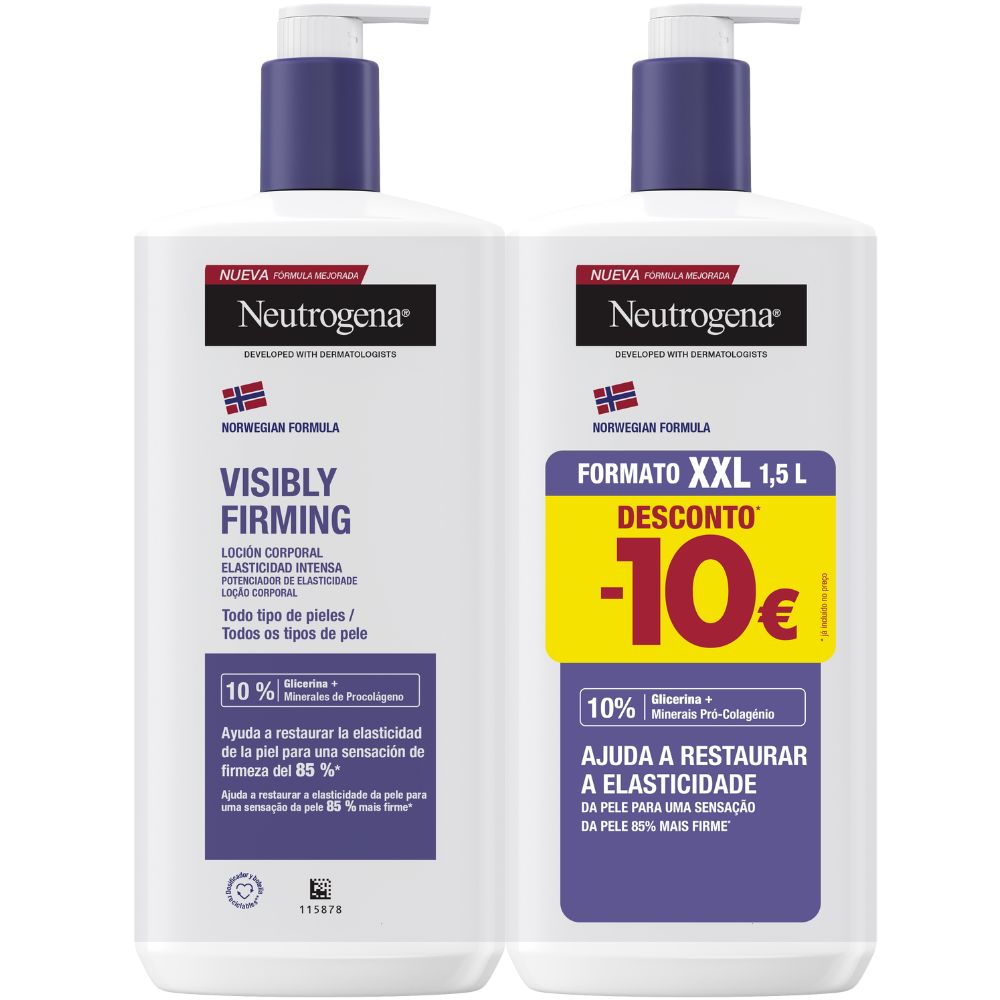
Neutrogena Visibly Renew Body LotionA body lotion for dry or dehydrated skin. Provides a daily moisturizing. Day after day, skin is visibly smoother, flexible and elastic. For best results, apply daily throughout the body in the morning and in the evening, twice a day.18,42 £*Shipping: 15,47 £Secure redirect to the provider
-
Sesderma Factor G Renew Eye ContourAn eye contour cream for wrinkles and signs of ageing. This product anti-aging cream. Firming and anti wrinkles: 5 growth factors. Anti-dark circles: vitamin K oxide, pinaxide (pinanediol and camphanediol). Anti-pufiness: liposomes. this product Cream is based on the concept of Genocosmetics, which acts on the cell nucleus and stimulates cell proliferation and activity.21,35 £*Shipping: 6,94 £Secure redirect to the provider
-
fresh Renew & Repeat skin care setfresh Renew & Repeat, 1 pc, Skin Serums for Women, Everything for beautiful-looking skin in one package. The fresh Renew & Repeat beauty gift set contains not one but several products to help you create or enrich your daily beauty routine and make you or your loved ones happy to get it as a gift. The set contains: fresh Black Tea Renewal Serum rejuvenating and regenerating serum 30 ml fresh Black Tea Advanced Age Renewal Cream anti-ageing moisturiser 30 ml fresh Kombucha Facial Treatment Essence facial essence with antioxidant effect 150 ml Characteristics: restores skin firmness and leaves it tight regenerates and vitalises reduces wrinkles and prevents their formation is absorbed quickly nourishes deeply makes skin fresh and bright strengthens the skin barrier firms the facial contours amazing as a gift comprehensive care for everyday routine Ingredients: contains a minimum of 94% ingredients of natural origin96,90 £*Shipping: 3,99 £Secure redirect to the provider
-
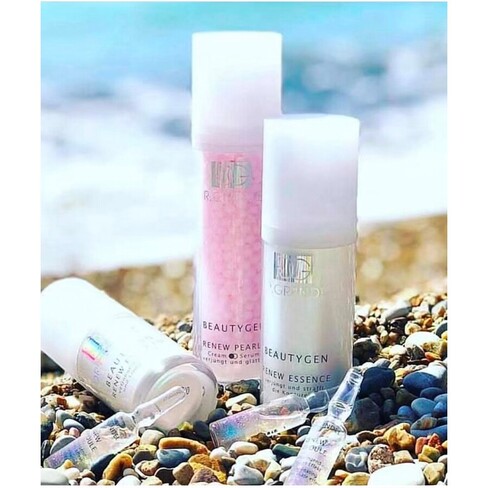
Dr Grandel Beautygen Renew Essence 30mLA cleansing product for wrinkles and signs of ageing. This product improves skin firmness, redefines facial contours, improves complexion texture and strengthens skin barrier. The combination of snow algae extract with anti-age peptides, marine saccharide and wild rose oil act as a true source of youth and beauty.43,90 £*Shipping: 5,22 £Secure redirect to the provider



-
Genitive or accusative?
The genitive case is used to show possession or relationship between nouns, while the accusative case is used to show the direct object of a verb or the object of certain prepositions. In general, the genitive case is used to indicate possession or belonging, while the accusative case is used to indicate the direct object of a verb or the object of a preposition. The choice between genitive and accusative depends on the specific context and the grammatical rules of the language being used. **
-
Whom or what accusative?
The accusative case is used to indicate the direct object of a verb in a sentence. It answers the question "whom" or "what" is receiving the action of the verb. In English, the accusative case is often marked by word order or prepositions, while in some languages, such as Latin or German, it is marked by changes in the form of the noun or pronoun. **
-
Tolerate dative or accusative?
Whether to use the dative or accusative case in German depends on the verb being used and the prepositions that accompany it. Some verbs require the dative case, such as helfen (to help) or danken (to thank), while others require the accusative case, such as sehen (to see) or essen (to eat). It is important to learn which case each verb requires in order to use the correct form in a sentence. **
-
What is a subject accusative?
A subject accusative is a linguistic phenomenon where the direct object of a verb is marked with the accusative case, typically in languages that have a nominative-accusative alignment. This can occur in languages like Latin or Greek, where the accusative case is used to mark the direct object of a transitive verb. In these cases, the subject of the sentence is in the nominative case, while the direct object takes the accusative case. **

Nominative or accusative in Latin?
In Latin, the nominative case is used for the subject of a sentence, while the accusative case is used for the direct object. The nominative case is also used for predicate nominatives, which rename the subject. The accusative case is used for nouns that receive the action of the verb. **
What is the difference between accusative and accusative object, and dative and dative object?
The accusative case is used to indicate the direct object of a verb, while the accusative object is the noun or pronoun that receives the action of the verb. For example, in the sentence "I see the dog," "the dog" is in the accusative case and is the accusative object. Similarly, the dative case is used to indicate the indirect object of a verb, while the dative object is the noun or pronoun that receives the action indirectly. For example, in the sentence "I give the book to her," "her" is in the dative case and is the dative object. **
Top-Angebote
Products related to Accusative:
-
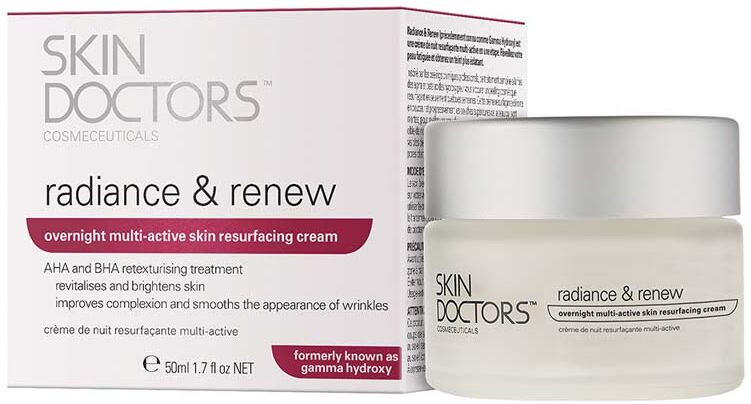
Skin Doctors & Renew 50mlSkin Doctors Radiance & Renew 50ml is an innovative cosmetic product that effectively resurfaces the skin which has been prone to wrinkles, premature ageing, sun damage, acne and mild scarring. Formulated with Glycolic Acid (Fruit Acids), Lactic Acid (Sour Milk and Grain) and Salicylic Acid to break down the outer thick layer of skin and gently exfoliate to smooth away any visible signs of ageing, pigmentation and scars. The products supports skin cells renewal and stimulates collagen to plump and refresh your complexion. Ingredients Aqua (Water), Ethylhexyl Methoxycinnamate, Glycolic Acid, Benzophenone-3, Propylene Glycol, Cyclopentasiloxane, Cetyl Alcohol, Stearyl Alcohol, Cyclohexasiloxane, Butyl Methoxydibenzoylmethane, Glycerin, Lactic Acid, Glyceryl Stearate, PEG-100 Stearate, Ceteareth-20, Phenyl Trimethicone, Salicylic Acid, Phenoxyethanol, Sodium Hydroxide, Arctostaphylos Uva Ursi Leaf Extract, Magnesium Ascorbyl Phosphate, Xanthan Gum, Sodium Hyaluronate, Parfum (Fragrance), Disodium EDTA, Sodium Metabisulfite, Sodium Benzoate, Methylparaben, Propylparaben, Ethylparaben, BHT, Hexyl Cinnamal, Citronellol, Linalool.32,99 £*Shipping: 0,00 £Secure redirect to the provider
-
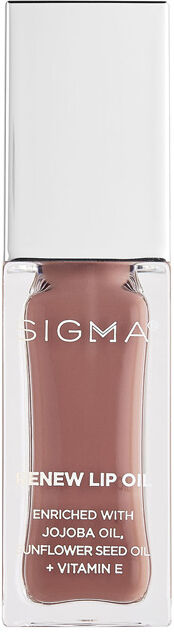
Sigma Renew Lip Oil-HushSigma Renew Lip Oils give your lips nourishment of a lip balm and the shine of a lip gloss in one perfect product These smooth, non-sticky lip oils add a protective layer of luxurious high-shine color, and hydration to your lips to help them look soft, supple, and juicy! Available Colours: Renew Lip Oil - Tint Renew Lip Oil - Tranquil Renew Lip Oil - All Heart Renew Lip Oil - Hush Ingredients: Tranquil: Polyglyceryl-2 Isostearate/Dimer Dilinoleate Copolymer, Dimer Dilinoleyl Dimer Dilinoleate, Diisostearyl Malate, Simmondsia Chinensis (Jojoba) Seed Oil, Caprylic/Capric Triglyceride, Disteardimonium Hectorite, Caprylyl Glycol, Helianthus Annuus (Sunflower) Seed Oil, Hydroxyacetophenone, Tocopherol, Tocopheryl Acetate, [May Contain / Peut contenir / Può contenere / (+/-): Titanium Dioxide (CI 77891), Iron Oxides (CI 77491), Iron Oxides (CI 77492), Red 7 Lake (CI 15850), Red 6 (CI 15850), Blue 1 Lake (CI 42090), Red 28 Lake (CI 45410), Yellow 5 Lake (CI 19140), Yellow 6 Lake (CI 15985)]. Hush: Polyglyceryl-2 Isostearate/Dimer Dilinoleate Copolymer, Dimer Dilinoleyl Dimer Dilinoleate, Diisostearyl Malate, Simmondsia Chinensis (Jojoba) Seed Oil, Caprylic/Capric Triglyceride, Disteardimonium Hectorite, Caprylyl Glycol, Citric Acid, Helianthus Annuus (Sunflower) Seed Oil, Hydroxyacetophenone, Tocopherol, Tocopheryl Acetate, [May Contain / Peut contenir / Può contenere / (+/-): Red 27 Lake (CI 45410), Iron Oxides (CI 77491), Blue 1 Lake (CI 42090), Red 28 Lake (CI 45410), Red 6 (CI 15850), Red 7 Lake (15850), Yellow 5 Lake (CI 19140), Yellow 6 Lake (CI 15985)]. All heart: Polyglyceryl-2 Isostearate/Dimer Dilinoleate Copolymer, Dimer Dilinoleyl Dimer Dilinoleate, Diisostearyl Malate, Simmondsia Chinensis (Jojoba) Seed Oil, Caprylic/Capric Triglyceride, Disteardimonium Hectorite, Caprylyl Glycol, Helianthus Annuus (Sunflower) Seed Oil, Hydroxyacetophenone, Tocopherol, Tocopheryl Acetate, [May Contain / Peut contenir / Può contenere / (+/-): Titanium Dioxide (CI 77891), Iron Oxides (CI 77491), Iron Oxides (CI 77492), Red 7 Lake (CI 15850), Red 6 (CI 15850), Blue 1 Lake (CI 42090), Red 28 Lake (CI 45410), Yellow 5 Lake (CI 19140), Yellow 6 Lake (CI 15985)]. Tint: Polyglyceryl-2 Isostearate/Dimer Dilinoleate Copolymer, Dimer Dilinoleyl Dimer Dilinoleate, Diisostearyl Malate, Simmondsia Chinensis (Jojoba) Seed Oil, Caprylic/Capric Triglyceride, Disteardimonium Hectorite, Caprylyl Glycol, Helianthus Annuus (Sunflower) Seed Oil, Hydroxyacetophenone, Tocopherol, Tocopheryl Acetate, [May Contain / Peut contenir / Può contenere / (+/-): Titanium Dioxide (CI 77891), Iron Oxides (CI 77491), Iron Oxides (CI 77492), Red 7 Lake (CI 15850), Red 6 (CI 15850), Blue 1 Lake (CI 42090), Red 28 Lake (CI 45410), Yellow 5 Lake (CI 19140), Yellow 6 Lake (CI 15985)].23,00 £*Shipping: 2,95 £Secure redirect to the provider
-
Neutrogena Visibly Renew Body LotionA body lotion for dry or dehydrated skin. Provides a daily moisturizing. Day after day, skin is visibly smoother, flexible and elastic. For best results, apply daily throughout the body in the morning and in the evening, twice a day.18,42 £*Shipping: 15,47 £Secure redirect to the provider
-
Sesderma Factor G Renew Eye ContourAn eye contour cream for wrinkles and signs of ageing. This product anti-aging cream. Firming and anti wrinkles: 5 growth factors. Anti-dark circles: vitamin K oxide, pinaxide (pinanediol and camphanediol). Anti-pufiness: liposomes. this product Cream is based on the concept of Genocosmetics, which acts on the cell nucleus and stimulates cell proliferation and activity.21,35 £*Shipping: 6,94 £Secure redirect to the provider
-
'Genitive or accusative?'
The genitive case is used to show possession or relationship between nouns, while the accusative case is used to show the direct object of a verb. In general, the genitive case is used to indicate ownership or association, while the accusative case is used to indicate the direct object of a verb or the object of a preposition. The choice between genitive and accusative depends on the specific context and the grammatical rules of the language being used. **
-
Dative or accusative?
Dative and accusative are two different cases in grammar that indicate the relationship between a verb and its object. The dative case is used to show the indirect object of a verb, while the accusative case is used to show the direct object. To determine whether to use dative or accusative, you need to consider the verb in the sentence and identify whether the object is receiving the action directly (accusative) or indirectly (dative). **
-
Genitive or accusative?
The genitive case is used to show possession or relationship between nouns, while the accusative case is used to show the direct object of a verb or the object of certain prepositions. In general, the genitive case is used to indicate possession or belonging, while the accusative case is used to indicate the direct object of a verb or the object of a preposition. The choice between genitive and accusative depends on the specific context and the grammatical rules of the language being used. **
-
Whom or what accusative?
The accusative case is used to indicate the direct object of a verb in a sentence. It answers the question "whom" or "what" is receiving the action of the verb. In English, the accusative case is often marked by word order or prepositions, while in some languages, such as Latin or German, it is marked by changes in the form of the noun or pronoun. **
Similar search terms for Accusative
-
fresh Renew & Repeat skin care setfresh Renew & Repeat, 1 pc, Skin Serums for Women, Everything for beautiful-looking skin in one package. The fresh Renew & Repeat beauty gift set contains not one but several products to help you create or enrich your daily beauty routine and make you or your loved ones happy to get it as a gift. The set contains: fresh Black Tea Renewal Serum rejuvenating and regenerating serum 30 ml fresh Black Tea Advanced Age Renewal Cream anti-ageing moisturiser 30 ml fresh Kombucha Facial Treatment Essence facial essence with antioxidant effect 150 ml Characteristics: restores skin firmness and leaves it tight regenerates and vitalises reduces wrinkles and prevents their formation is absorbed quickly nourishes deeply makes skin fresh and bright strengthens the skin barrier firms the facial contours amazing as a gift comprehensive care for everyday routine Ingredients: contains a minimum of 94% ingredients of natural origin96,90 £*Shipping: 3,99 £Secure redirect to the provider
-
Dr Grandel Beautygen Renew Essence 30mLA cleansing product for wrinkles and signs of ageing. This product improves skin firmness, redefines facial contours, improves complexion texture and strengthens skin barrier. The combination of snow algae extract with anti-age peptides, marine saccharide and wild rose oil act as a true source of youth and beauty.43,90 £*Shipping: 5,22 £Secure redirect to the provider
-
Dr Grandel Beautygen Renew Pearls 50mLA facial serum for wrinkles and signs of ageing. Beautygen renew l2 pearls serum-cream is able to stimulate cell repair on the skin, while protecting the skin from external aggressions. Apply in the morning and evening to cleansed, dry skin of the face, neck and décolleté. It can be used on its own or before applying moisturizing cream.65,84 £*Shipping: 5,22 £Secure redirect to the provider
-
Renew White Textured Shell Decorative VaseThe Renew White Textured Shell Decorative Vase is a stunning coastal-inspired piece. With its unique shell design and textured white finish, it adds an airy, modern elegance to any room. Perfect for displaying dried flowers or as a standalone accent, this vase complements a variety of interior styles. Whether placed on a shelf, mantel, or table, it brings a touch of the seaside into your home, enhancing your décor with natural charm. Dimensions: 20.5 x 11 x 19.5cm24,00 £*Shipping: 4,99 £Secure redirect to the provider
-
Tolerate dative or accusative?
Whether to use the dative or accusative case in German depends on the verb being used and the prepositions that accompany it. Some verbs require the dative case, such as helfen (to help) or danken (to thank), while others require the accusative case, such as sehen (to see) or essen (to eat). It is important to learn which case each verb requires in order to use the correct form in a sentence. **
-
What is a subject accusative?
A subject accusative is a linguistic phenomenon where the direct object of a verb is marked with the accusative case, typically in languages that have a nominative-accusative alignment. This can occur in languages like Latin or Greek, where the accusative case is used to mark the direct object of a transitive verb. In these cases, the subject of the sentence is in the nominative case, while the direct object takes the accusative case. **
-
Nominative or accusative in Latin?
In Latin, the nominative case is used for the subject of a sentence, while the accusative case is used for the direct object. The nominative case is also used for predicate nominatives, which rename the subject. The accusative case is used for nouns that receive the action of the verb. **
-
What is the difference between accusative and accusative object, and dative and dative object?
The accusative case is used to indicate the direct object of a verb, while the accusative object is the noun or pronoun that receives the action of the verb. For example, in the sentence "I see the dog," "the dog" is in the accusative case and is the accusative object. Similarly, the dative case is used to indicate the indirect object of a verb, while the dative object is the noun or pronoun that receives the action indirectly. For example, in the sentence "I give the book to her," "her" is in the dative case and is the dative object. **
* All prices are inclusive of VAT and, if applicable, plus shipping costs. The offer information is based on the details provided by the respective shop and is updated through automated processes. Real-time updates do not occur, so deviations can occur in individual cases. ** Note: Parts of this content were created by AI.